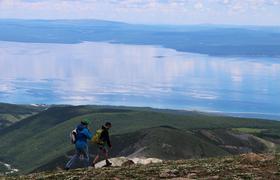
This mountain tour climbs Azerbaijan’s highest peak — Bazardüzü (4 466 m). Although the route is non-technical in summer (no ropes/rock climbing skills required), it remains a serious high-altitude trekking expedition that demands physical preparation, acclimatization, and respect for mountain conditions.
Essential Skills & Fitness
• Good cardiovascular endurance and strong leg muscles help you handle long trekking days and steep ascents.
• You should be comfortable hiking for several hours with a pack and able to maintain a steady, moderate pace to support acclimatization.
• Prior experience with day hikes or multi-day treks improves your readiness, though dedicated beginners with good fitness can participate with proper guidance and preparation.
Safety Rules & Measures
• Guided ascent only — permits and legal requirements mean climbing without an authorized guide is not permitted; guides manage pacing, weather assessments, permit logistics, and emergency responses.
• Acclimatize slowly — ascent is planned over days with staged altitude increases to reduce risk of altitude sickness; pushing too fast increases dizziness, nausea and fatigue risks.
• Check weather forecast daily — weather shifts can make terrain slippery or cold; plans should be flexible to ensure safety.
• Use appropriate gear — sturdy hiking boots, layered clothing, waterproof outerwear, tent and sleeping system, trekking poles, headlamp and personal essentials are critical for comfort and safety.
• Hydration and nutrition — dehydration and low energy increase the risk of altitude issues; carry enough water and snacks throughout the trek.
Risks to Tourists
High altitude and long days can lead to acute mountain symptoms if acclimatization is rushed. Weather instability may suddenly drop temperatures or bring wind and precipitation. Mountain terrain, even if non-technical, can be physically demanding and slippery in poor conditions.
Emergency Preparedness
Because medical and rescue services are limited in remote mountain regions, guides carry communication and first-aid gear, monitor group health continuously, and have clear plans for rapid descent if needed.